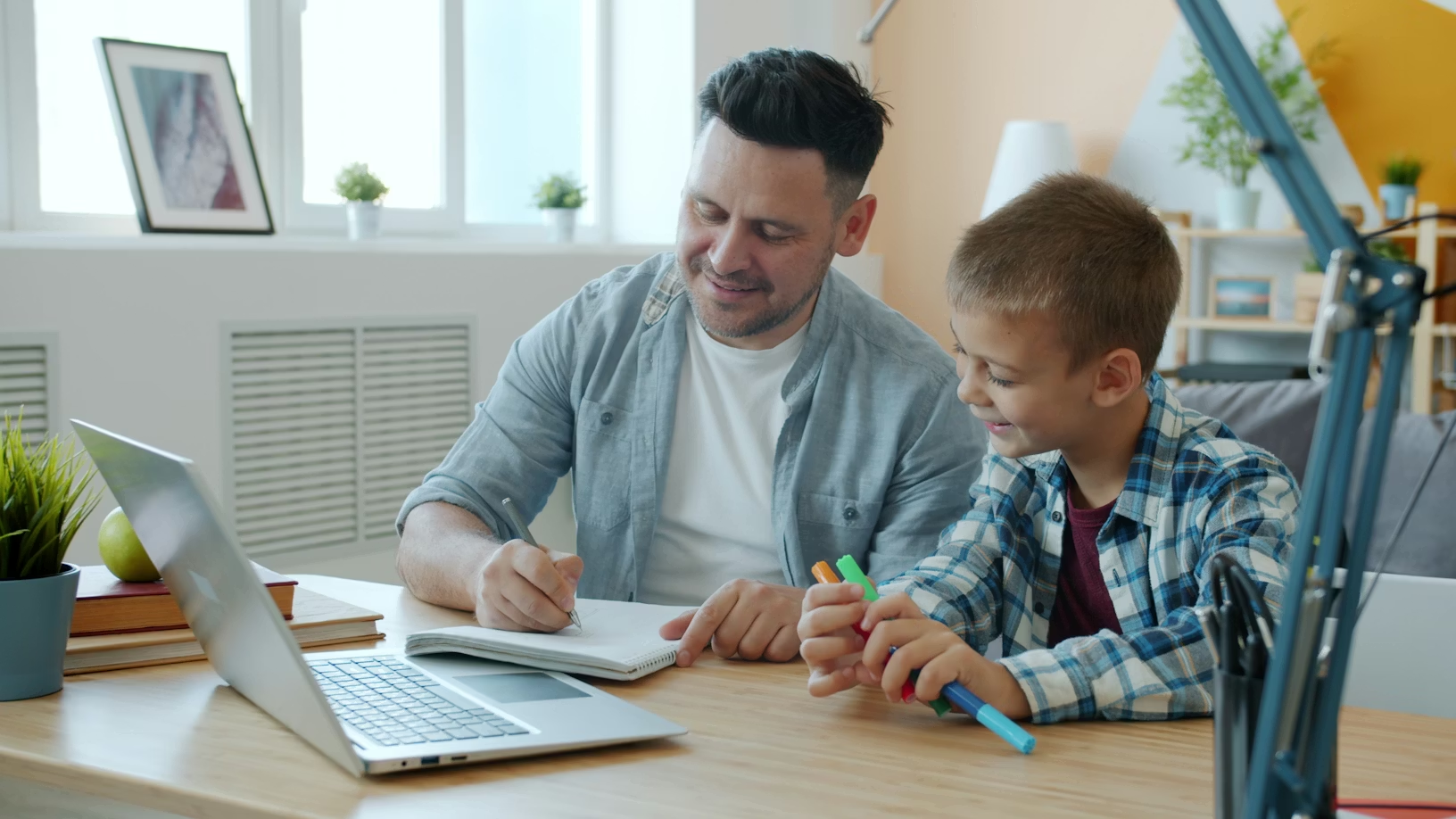
As a speech pathologist at Prosper Kids in Stirling, I know that the most meaningful communication happens in the moments between therapy sessions. While clinical support is a valuable part of many families’ journeys, the magic of language development often unfolds during everyday life. Whether you are folding laundry, walking through the park in Stirling, or sitting down for a snack, these moments provide natural opportunities for connection.
My approach at Prosper Kids is neuroaffirming. This means I focus on your child’s unique strengths and their natural way of communicating. Instead of trying to make a child fit a specific mould, I look for ways to support their individual voice and style. Language development for toddlers is about much more than just “saying words”—it is about building a foundation of connection, shared joy, and understanding.
Follow Their Lead: The Power of Child-Led Play
One of the most effective ways to support speech pathology goals at home is to follow your child’s lead during play. When I work with families, I often suggest joining a child in what they are already interested in, as they are naturally more motivated to communicate in those moments. If your toddler is lining up cars or watching the wheels spin, join them in that space rather than trying to redirect them to a different activity. Sometimes our children play in ways we don’t expect; meet them where they are.
In a neuroaffirming framework, I value all forms of play. You do not need to teach your child the “right” way to play with a toy. Instead, observe what they are doing and mirror their actions. Yes, that’s right, sit with them and copy their actions. This builds a sense of safety and mutual interest. When a child feels understood and seen, they are much more likely to attempt to share their excitement with you, whether through a look, a gesture, or a sound.
Narrating the Day: Turning Routines into Language Opportunities
You do not need to set aside special “teaching time” to support your child’s communication. Some of the best toddler speech development tips involve simply talking about what is happening right now. I call this “parallel talk” or narrating.
As you go about your morning, describe what you are doing. If you are getting ready to head out, you might say, “I am putting on my shoes. Big blue shoes. Now I am grabbing my keys.” By providing a running commentary, you are giving your child a rich bath of language without the pressure of them having to respond. This helps them link words to objects and actions in real-time.
Daily routines like bath time or mealtime are perfect for this. These activities happen every day, which provides the repetition toddlers need to learn. I often suggest talking about the “splashing water” or the “sticky banana.” This consistent exposure helps build their receptive language—their ability to understand what is being said—long before they start using the words themselves.
Creating a Communication-Rich Environment at Home
Supporting toddler communication at home can also involve small changes to your environment. A communication-rich environment is not about having the most expensive toys; it is about creating “communication temptations.”
If everything your child needs is within easy reach, they may not feel the need to communicate. I might recommend placing a favourite toy in a clear container that is hard to open or putting a snack just out of reach on the bench. This creates a natural reason for your child to reach out to you for help. They might point, make a sound, or use a word. When they do, respond immediately to show them that their communication has power.
At our Prosper Kids clinic, I encourage families to see communication as a two-way street. It is not just about the child talking to us, but about us being responsive listeners. When I respond to a toddler’s subtle cues, I am teaching them that their “voice” matters, which is a core tenet of neuroaffirming care.
When to Reach Out to a Speech Pathologist in Stirling
Every child develops at their own pace, and there is a wide range of what is considered typical. However, many parents find peace of mind in speaking with a professional if they have concerns about their child’s progress. Early intervention speech therapy can be incredibly beneficial in providing families with tailored strategies that fit their specific needs.
If you find yourself wondering if your child is hitting their milestones or if you are struggling to understand your toddler’s needs, reaching out for a consultation can be a great next step. I am here to support Stirling families with evidence-informed, compassionate care. I focus on practical outcomes that improve daily life for both the child and the parent.
If you would like to discuss your child’s speech and language development with me, give our team a call on 08 6381 0071 or contact us for a chat today.