The school holidays can be a wonderful opportunity to slow down and spend quality time together. At the same time, changes to routines, busy family schedules and new environments can feel overwhelming for some children. Finding small moments of calm throughout the day can help create opportunities for connection while supporting your child’s wellbeing.
The good news is that sensory play doesn’t need to be messy, expensive or carefully planned. Many everyday activities can become meaningful moments of shared attention, communication and connection. From a speech pathology perspective, these shared experiences provide natural opportunities to build language, encourage interaction and strengthen relationships by following your child’s interests.
Here are some simple sensory play ideas to help make the holidays feel calmer and more connected.
Why sensory play supports calm and connection
Sensory play involves activities that engage one or more of the senses, including touch, movement, sound, sight, smell or taste. Every child experiences and responds to sensory information differently, and there is no single “right” way to engage in sensory play.
Rather than focusing on completing an activity a certain way, try following your child’s lead. Notice what captures their attention, join in with their ideas and allow them to explore at their own pace. These moments of shared enjoyment help build joint attention, an important foundation for communication and social interaction.
When adults participate alongside children, everyday play also becomes a natural opportunity to model language, introduce new vocabulary and enjoy back-and-forth interactions without pressure.
Five simple holiday sensory play ideas
Water play
A container of water with cups, spoons or floating toys can provide a calming activity on warm holiday days. As your child pours, splashes or explores, comment on what they are doing using simple language such as “pouring,” “full,” “empty” or “splash.” Waiting for your child to respond or take another turn helps create relaxed opportunities for communication.
Playdough creations
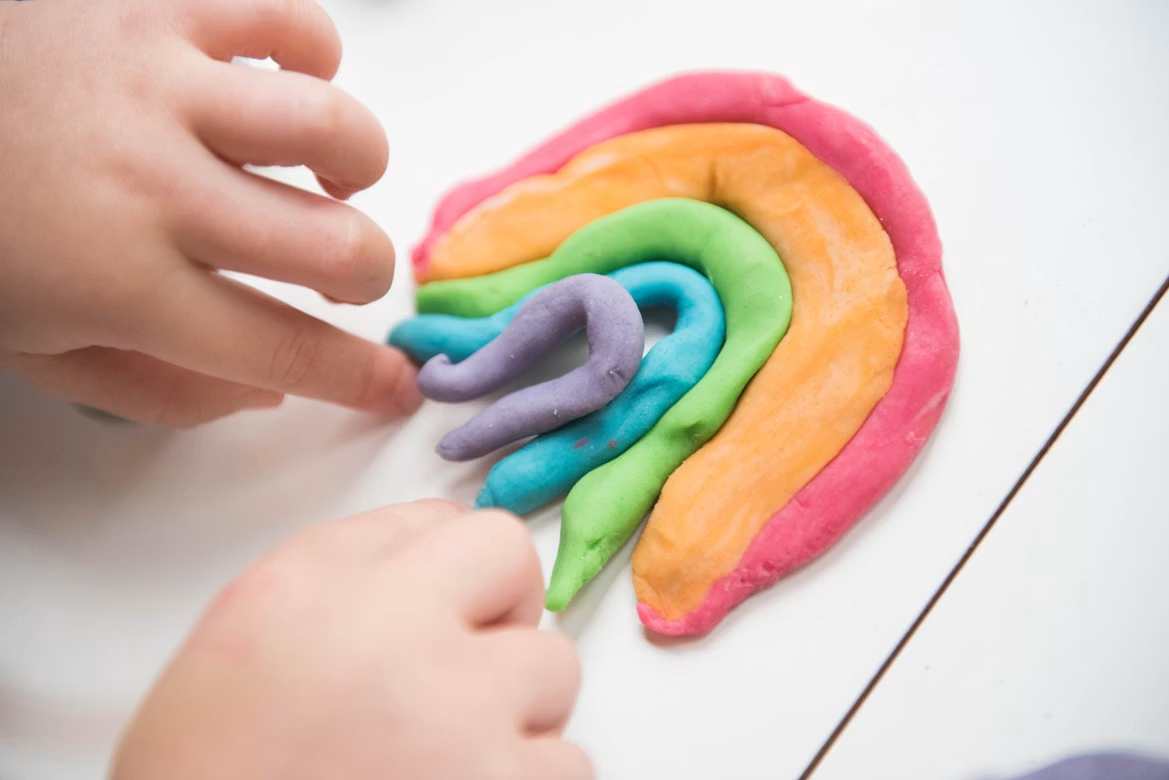
Rolling, squeezing and shaping playdough provides rich sensory input while encouraging creativity. Instead of asking lots of questions, describe what you see.
For example, you might say, “You’re making a long snake,” or “That feels soft.” This models language in a way that feels natural and keeps the focus on shared enjoyment.
Nature collecting
A walk around the local park or backyard can become a sensory adventure. Collect leaves, sticks, feathers or smooth stones and talk about what you discover together. Notice colours, textures, sizes and sounds while following your child’s interests.
Simple sensory bins
A container filled with dry rice, pasta or oats, along with scoops, cups or small toys, creates endless opportunities for exploration. Children may enjoy pouring, filling or searching for hidden objects while adults join in through comments, turn taking and shared attention.
Baking together
Mixing ingredients, stirring batter and smelling different foods engages multiple senses while supporting everyday communication. Baking naturally introduces words about actions, quantities and sequencing, all while creating a fun shared experience.
Supporting communication through everyday play
Children learn communication best through meaningful interactions with the people who matter most to them. Sensory play provides opportunities to slow down, notice your child’s interests and enjoy being together without needing to teach or test.
Following your child’s lead means responding to what they are already interested in rather than directing the activity. If they spend several minutes pouring water or squashing playdough, that’s okay. Repetition often supports learning and exploration.
You can encourage communication by:
- Commenting on what your child is doing rather than asking frequent questions.
- Giving your child time to respond in their own way.
- Modelling simple words or short phrases that match the activity.
- Celebrating all forms of communication, including gestures, facial expressions, sounds, AAC and spoken language.
- Joining in with your child’s ideas rather than changing the activity.
These small, responsive interactions help create positive communication experiences while strengthening your connection with your child.
If you’re looking for more ideas about following your child’s interests during play, you may also enjoy Prosper’s blog on The Power of Child-Led Play: Building Connection through Responsive Interaction. Families preparing for changes in routine may also find Helping Children Transition Smoothly into Holidays helpful.
When to seek support
Every child develops communication skills in their own way and at their own pace. If you have questions about your child’s communication, play skills or social interaction, speaking with a speech pathologist can provide reassurance and practical strategies tailored to your family’s needs.
At Prosper Kids, our speech pathologists work alongside families to support communication through everyday activities that feel meaningful and enjoyable. We use neuroaffirming, strengths-based approaches that recognise and celebrate each child’s unique way of communicating.
Our teams support families across Booragoon, Canning Vale and Stirling, helping children build communication skills through play, connection and everyday experiences.
If you’d like to learn more about how speech pathology can support your child, or you’d like to book an appointment with our team, visit https://prosperhealthcollective.com.au/book-now/.