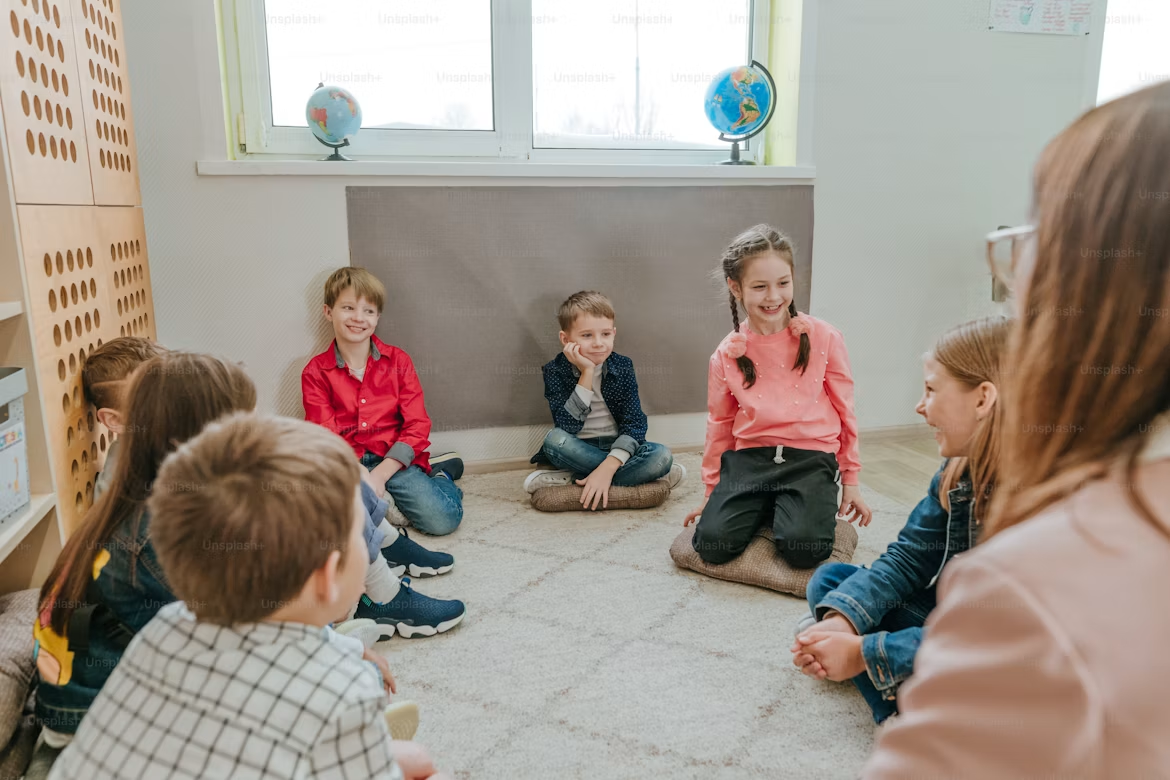
Participation is about being involved in the activities that matter to a child. Whether it is joining a game at school, sharing ideas in the classroom, building friendships or expressing needs at home, communication plays an important role in helping children engage with the world around them.
Communication is much more than talking. It includes understanding language, sharing ideas, using gestures, interpreting social cues and finding ways to connect with others. When children have communication supports that match their strengths and needs, they are often better able to participate in meaningful everyday experiences.
At Prosper Kids, we recognise that communication is closely linked to participation, inclusion and wellbeing. Supporting communication can help create more opportunities for children to connect, learn and belong in their everyday environments.
What Do We Mean by Participation?
Participation refers to a child’s involvement in everyday activities and experiences. These activities may include playing with peers, learning in the classroom, spending time with family, taking part in community activities or pursuing hobbies and interests.
Participation is not about performing tasks perfectly. Instead, it focuses on meaningful engagement and having opportunities to be involved in ways that are important to the child.
Every child participates differently, and there is no single “right” way to communicate or engage. A neuroaffirming approach recognises and values diverse communication styles while supporting children to access the environments and experiences that matter to them.
When children can participate in everyday activities, they have opportunities to develop relationships, build confidence, learn new skills and experience a sense of belonging.
How Do Communication Skills Support Everyday Participation?
Communication skills support participation in many aspects of daily life.
Expressing Needs, Preferences and Ideas
Communication allows children to share what they want, need and enjoy. This may involve spoken language, gestures, signs, communication devices or other forms of communication.
Being able to express preferences helps children take an active role in decisions that affect them and supports growing independence.
Building Relationships and Friendships
Communication plays an important role in developing and maintaining relationships. Children use communication to start conversations, share experiences, negotiate during play and connect with others.
Social interactions often rely on understanding different perspectives, responding to others and finding ways to engage in shared activities.
Participating in Learning
Communication is closely connected to learning. Children use communication skills to follow instructions, ask questions, contribute ideas and participate in classroom discussions.
Strong communication supports access to learning opportunities and helps children engage more fully in educational settings.
Developing Independence
As children grow, communication supports self-advocacy and problem-solving. Children who can communicate their thoughts, feelings and needs are often better equipped to navigate everyday situations and seek support when required.
What Happens When Communication Becomes a Barrier to Participation?
Communication differences or challenges can sometimes make participation more difficult.
For example, a child may find it hard to understand complex instructions, communicate their ideas, join group conversations or navigate social situations. These experiences can affect participation at home, school and in community settings.
Rather than focusing solely on communication difficulties, it is important to consider how environments can support participation. Small adjustments, supportive communication partners and accessible communication strategies can make a meaningful difference.
A strengths-based approach recognises what a child can do, values their existing communication methods and identifies ways to support successful participation in everyday activities.
How Can Speech Pathologists Support Participation?
Speech pathologists support communication with a focus on meaningful, functional outcomes that connect to everyday life.
Rather than working on communication skills in isolation, speech pathologists often consider how communication influences participation across different environments.
Support may include:
- Developing expressive and receptive language skills
- Supporting social communication and interaction
- Building self-advocacy skills
- Identifying communication supports that match a child’s strengths and needs
- Collaborating with families, educators and other professionals
- Creating strategies that can be used across home, school and community settings
Importantly, goals are often linked to activities that are meaningful to the child and family. This helps ensure that communication supports are relevant and practical within everyday life.
At Prosper Kids, our speech pathologists work collaboratively with children, families and support networks to help create opportunities for participation, connection and belonging.
Supporting Participation Through Communication
Communication is a powerful tool that helps children engage with the world around them. It supports learning, relationships, independence and participation in everyday activities.
Every child communicates in their own way, and supporting communication is not about changing who a child is. Instead, it is about creating opportunities for children to express themselves, connect with others and participate in the experiences that matter most to them.
If you would like to learn more about how speech pathology can support your child’s participation at home, school and in the community, our team at Prosper Kids in Stirling and Booragoon is here to help.
Book an appointment today: https://prosperhealthcollective.com.au/book-now/