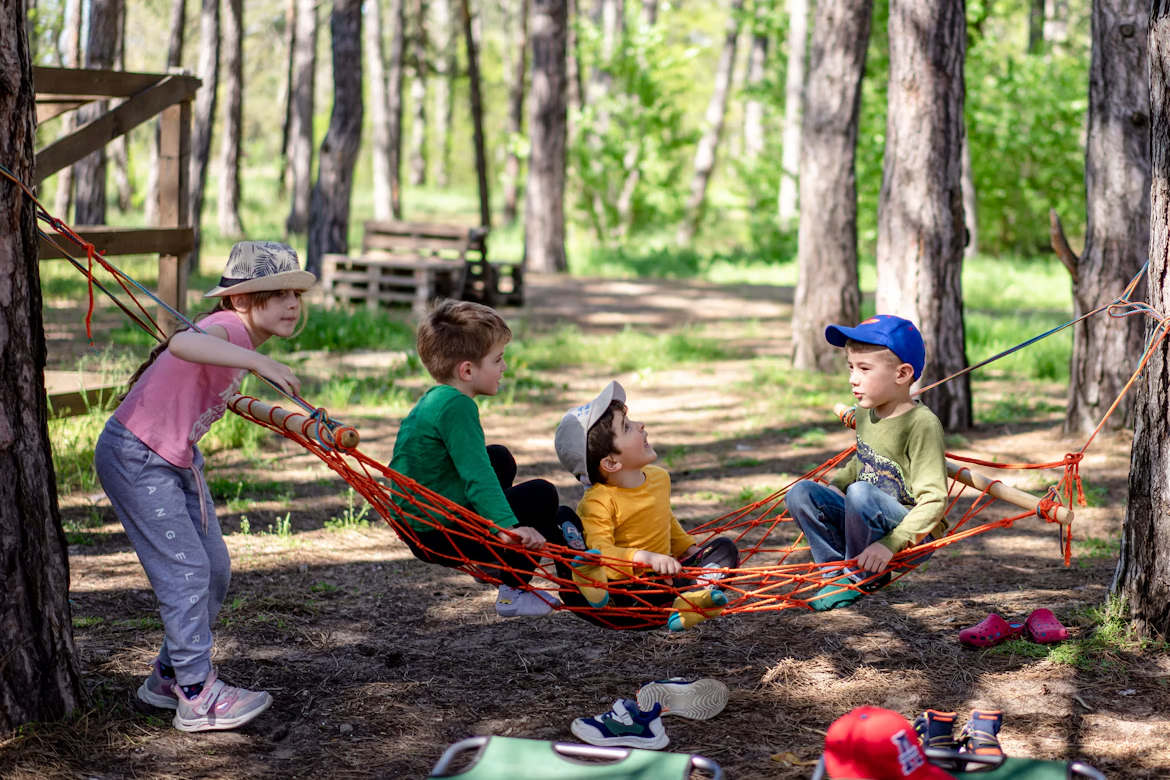
As the school holidays approach, many parents in Booragoon, Canning Vale, and Stirling feel the pressure to fill every hour with structured activities, camps, and outings. However, from a speech pathology and developmental perspective, some of the most significant growth happens when the schedule is empty. Unstructured play—often preceded by the dreaded phrase “I’m bored”—is where children learn to innovate, problem solve, and communicate on their own terms. At Prosper Kids, we advocate for a neuroaffirming approach to the holidays that prioritises rest and child-led engagement. When we step back and allow for boredom, we give children the space to discover what truly interests them. This blog explores why slowing down is the best gift you can give your child’s development this season.
The Developmental Benefits of an Empty Schedule
Modern childhood is often highly programmed. Between school, sports, and therapy appointments, children have very little time where they are the masters of their own itinerary. While structure provides safety, unstructured time provides the opportunity to develop executive functioning skills. When a child is faced with a blank afternoon, they have to decide what to do, gather the materials they need, and manage their time.
This process of self-direction is essential for building cognitive flexibility and independence. For primary school aged children, the holidays are a rare chance to reset their nervous systems after a busy term. By allowing for unscheduled blocks of time, we allow children to move at their own pace. This rest is not just a break from learning; it is a different kind of learning that fosters creativity and self-regulation.
Why Boredom is a Catalyst for Communication
From a speech pathology lens, unstructured play is a goldmine for language development. In structured activities, adults often lead the communication by giving instructions or asking questions. In child-led play, the child is in the driver’s seat. They have to use their language to create a story, negotiate roles with a sibling, or explain their latest “invention” to a parent.
Boredom often acts as the spark for this creativity. When children are not being entertained by a screen or a coach, they begin to look at their environment differently. A cardboard box becomes a rocket ship, or a pile of cushions becomes a fortress. This symbolic play requires complex language to sustain. Children practice narrative building as they create “what happens next” scenarios and develop social negotiation skills as they figure out how to share their vision with others. These are natural communication opportunities that cannot be manufactured in a classroom.
Practical Tips for Fostering Unstructured Play
Encouraging unstructured play does not mean you have to be the source of entertainment. In fact, the goal is to step back. One helpful strategy for families in Booragoon and surrounding areas is to create an “Invitation to Play.” This might involve leaving out a few open-ended materials—like blocks, art supplies, or old clothes for dress-ups—in a common area without any instructions.
If the “I’m bored” complaints become overwhelming, a “Boredom Jar” can be a helpful tool. Together, you can write down simple, open-ended ideas on slips of paper, such as “build a fort,” “draw a map of the backyard,” or “start a nature collection.” This provides a small amount of scaffolding to help them get started, but leaves the execution entirely up to them. The key is to resist the urge to jump in and solve the boredom for them immediately; often, the best play ideas happen just five minutes after the complaining stops.
Supporting Neurodivergent Children with Holiday Transitions
While unstructured time is beneficial, we recognise that for many neurodivergent children, a total lack of routine can feel dysregulating. At Prosper Kids, we recommend a “soft structure” approach. This means keeping the anchors of the day consistent—like wake-up times and meals—while leaving the middle of the day open for child-led activities.
Using a visual schedule can help children in Stirling and Canning Vale understand when “choice time” is happening. This provides the predictability they need to feel safe, while still allowing for the freedom of unstructured play. By balancing rest with a gentle routine, you can ensure the holidays are a time of genuine rejuvenation for the whole family. Allowing your child the space to be bored is not a parenting failure; it is a purposeful way to support their growth, communication, and confidence.
If you would like to discuss how to support your child’s communication and development over the holiday break, our team is here to help. You can find more information or book an appointment at our Booragoon, Canning Vale, or Stirling clinics here: https://prosperhealthcollective.com.au/book-now/