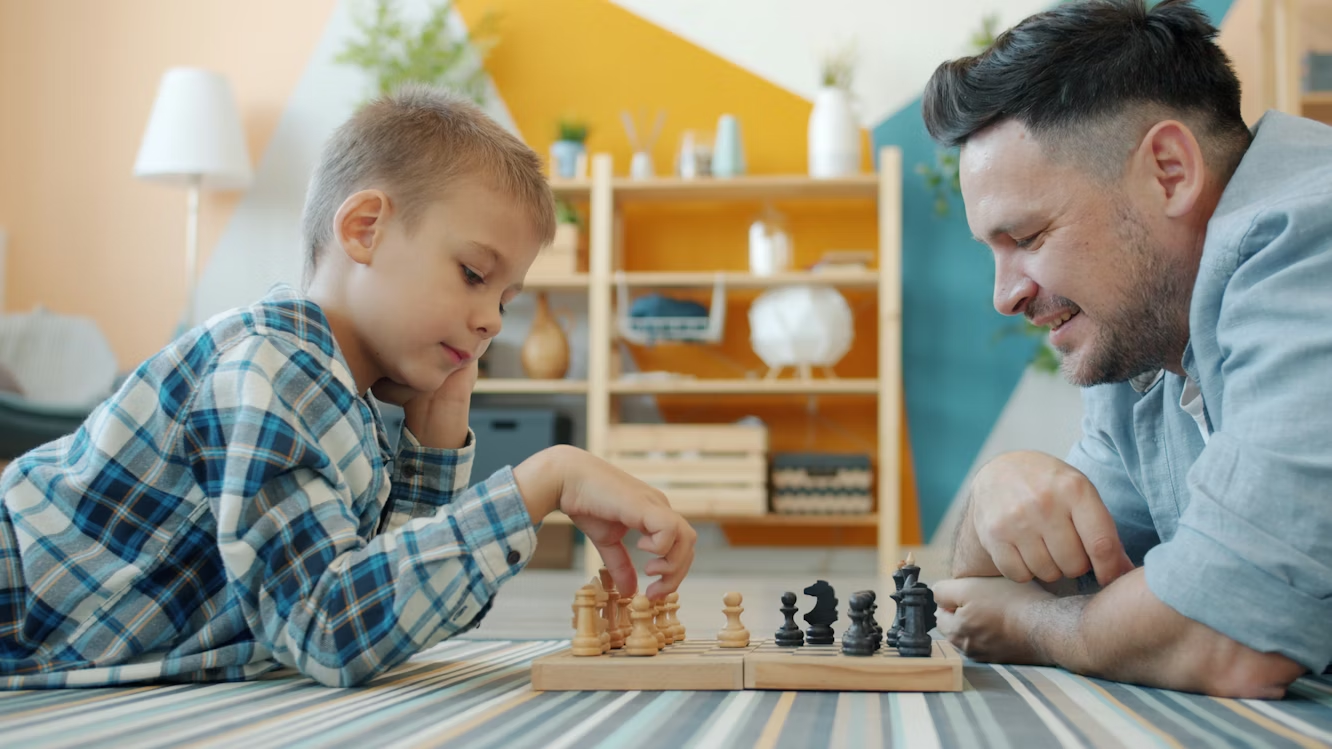
In the busy flow of modern family life, play can sometimes feel like another item on an ever-growing to-do list. However, from a psychological perspective, play is far more than just a leisure activity. It is a fundamental biological necessity that supports the developing brain and creates the foundation for secure attachment.
Finding small pockets of time for shared joy can be a powerful intervention. At Prosper Kids, we view play as a primary language through which children communicate their internal world and seek safety. When we engage in neuroaffirming, child-led play, we are not just passing time; we are building a robust sense of belonging.
This intentional connection offers significant stress reduction for parents and children alike, helping everyone move from a state of survival into a state of shared calm.
The Science of Connection: Attachment and Play
Play is one of the most effective ways to build and maintain a secure attachment between a parent and a child. Attachment theory suggests that children need a “secure base” from which to explore the world and a “safe haven” to return to when they feel overwhelmed. Playful interactions can provide both.
When a caregiver is fully present and engaged, they send a powerful message of safety and value to the child. This sense of attunement can be fostered through simple, repetitive games or shared interests. By responding to a child’s cues during play, parents can help their children feel seen and understood.
This responsivity is what strengthens the relational bond. Over time, these moments of shared joy build a reservoir of positive experiences that can help families navigate more challenging times. Focusing on these attachment-based play moments is often a helpful starting point for improving family harmony.
Mutual Regulation: Stress Reduction for Parent and Child
One of the most significant benefits of play is its ability to facilitate emotional regulation. Play encourages us to be present in the moment. When we are truly “in” the play, we are less likely to be caught up in worries about the future or frustrations about the past.
This presence allows for mutual regulation. When a parent and child engage in a rhythmic or joyful activity, their nervous systems can begin to co-regulate. This process can lower cortisol levels and trigger the release of oxytocin, often referred to as the bonding hormone.
For the child, this reduces the physiological experience of stress and helps them return to a state of emotional balance. Importantly, this benefit is bi-directional. Stress reduction for parents and children occurs simultaneously, as shared laughter or focused collaboration provides a necessary reset for the adult’s nervous system too.
Families often find that prioritising these moments reduces the overall tension within the home.
A Neuroaffirming Approach to Shared Moments
A neuroaffirming approach to play means moving away from a “right” way to play and instead embracing the child’s unique interests and sensory preferences. It involves validating the child’s natural way of interacting with the world rather than trying to force play into a neurotypical mould.
This might mean joining a child in lining up cars, engaging in deep-pressure sensory play, or talking extensively about a special interest.
When parents follow the child’s lead, they reduce the pressure on the child to perform or “act right,” which in turn reduces anxiety. This approach fosters a sense of competence and self-worth in the child.
Instead of using play as a time for “teaching” or “correcting” social skills, we can use it as a time for joining. By entering the child’s world on their terms, we demonstrate that we value them exactly as they are. This acceptance is at the heart of neuroaffirming care and is a vital component of the services we provide at Prosper Kids.
Practical Ways to Incorporate Playful Moments
Integrating play into a busy schedule does not require hours of free time or expensive toys. Often, the most effective play happens in the small gaps of the day.
- A playful race to the car
- A silly song during bath time
- Five minutes of “special time” where the child chooses the activity and the parent follows along without distraction
The goal is not perfection but connection. If you find yourself feeling overwhelmed by the idea of play, try to approach it with a sense of curiosity. Notice what your child is drawn to and see if you can mirror their actions or offer a gentle, playful comment.
These small investments in connection can lead to significant shifts in family dynamics over time.
If you feel that your family needs more structured guidance, our team of psychologists across Booragoon, Canning Vale, and Stirling is here to help.
Supporting Your Child and Family Wellbeing
To learn more about supporting your child’s development and your family’s wellbeing, you can reach out to us here: